
AUGUST 10, 2026
Best Gift Cards to Buy Online and Trade for Naira in Nigeria; Amazon, Steam & Google Play
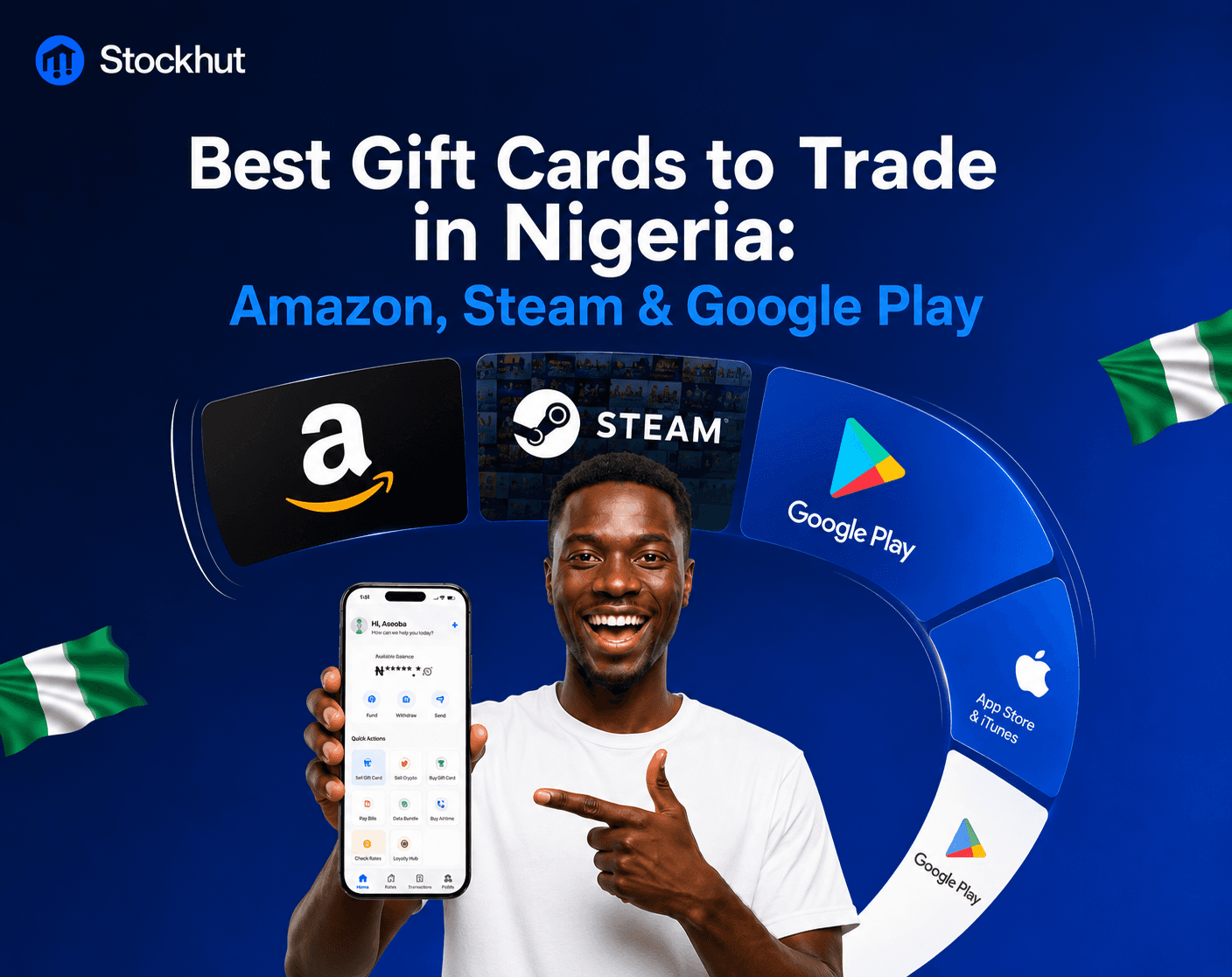
Most people think of gift card trading as something that happens reactively, like you receive a card and you sell it. But there is a different category of trader who has figured out that the gift card market in Nigeria creates a consistent opportunity when approached intentionally. This guide is for anyone who wants to understand which gift cards are worth acquiring specifically for the purpose of trading, and what the current market rewards most.
The Logic Behind Strategic Gift Card Trading
Some gift cards trade at rates in Nigeria that represent a meaningful premium over their cost in the country where they were purchased. This spread exists because demand in Nigeria for certain card types is high and consistent, while the supply of those cards from abroad is not always sufficient to meet it.
When you understand which cards carry the strongest demand in Nigeria, you can sometimes purchase those cards in international online marketplaces at discounted rates from cashback programs, reward redemptions, or authorized discount retailers and trade them in Nigeria at the prevailing market rate. The difference is your profit.
This is not a guaranteed strategy, and it requires understanding the current rate environment carefully, but it is a real approach that sophisticated traders in the Nigerian gift card market use consistently.
● Amazon Gift Cards
Amazon remains the highest-demand gift card in the Nigerian market. Cards like Amazon and Apple are consistently traded in large volumes, and Amazon specifically carries rates that reflect strong and sustained buyer appetite. Amazon gift cards in dollar denominations of 25, 50, and 100 are the most actively traded and the most reliably liquid.
Amazon also offers its gift cards through its own website with direct purchase using international cards. Cashback programs and referral credits on various platforms often award Amazon gift card balances, which can be immediately traded on Stockhut for naira.
● Steam Gift Cards
The Nigerian gaming community has grown significantly, and Steam cards have followed that growth. Steam gift cards are in high demand from Nigerian gamers, and the platform's international nature means cards purchased in any currency can be traded in Nigeria. Dollar-denominated Steam cards trade well, and the demand is consistent enough that liquidity is rarely an issue on established platforms.
● Google Play Gift Cards
Google Play remains relevant because Android dominates the Nigerian smartphone market by a wide margin. Nigerian users purchase Google Play credits for app downloads, gaming credits, and subscriptions, and the demand for these cards from people who want to buy them with naira creates the market for sellers who want to trade them for naira.
What to Watch When Evaluating Current Rates
Rates change daily and sometimes more frequently within a single day. Before acquiring a card specifically to trade, check the current rate on Stockhut for that card type. Compare it to the price at which you can acquire the card. If the margin is meaningful after accounting for acquisition costs, the trade makes sense. If rates have moved unfavourably since you acquired the card, it is worth waiting for a better rate window unless the card is approaching its expiry date.
Physical cards consistently trade at a premium over e-codes of the same brand and denomination. If you have a choice between acquiring a physical card and a digital code, the physical card is the better trading asset in most cases.
Expiry Dates Are Non-Negotiable
Whatever card you acquire for trading, trade it well before its expiry date. An expired card has zero value on any platform. Building a buffer of at least 30 days between acquisition and planned trade gives you flexibility if rates move unfavourably in the short term.
The gift card market in Nigeria rewards knowledge. Understanding which cards carry the most demand, at what denominations they perform best, and how the physical versus digital distinction affects rates puts you in a meaningfully better position than the average trader.
Check live rates for all major gift card types on Stockhut before your next trade. Download for free today.
More Stories
OCTOBER 10, 2026
Learn how to sell your Amazon gift card for Naira in Nigeria, check current rates, understand regional differences, and trade with StockHut.
OCTOBER 09, 2026
Aside the common giftcards like Apple and Amazon card, alot of people are sleeping on the Razer Gold card, this write up is an eye openner
OCTOBER 09, 2026
This is a practical story of why people have itunes giftcard and dont know how to cash in on it.

JULY 27, 2026
This write up explains why some trading platforms charge more than each other in terms of rates
JULY 22, 2026
This write up explains how gift card trade works in Nigeria, the types of gift card and why Stockhut is the best place to trade it
JULY 20, 2026
Not every gift card is equal, and if you are sitting on one without knowing what it is worth, that distinction matters more than you think